


Many warehouse operators plan their safety budget based on rough online quotes, only to find the final bill differs a lot once gates, interlocks and site anchoring are added. BDINDUSTRIAL works with hundreds of logistics and manufacturing sites every year, and we know modular guarding pricing is never a flat per-meter number. It depends heavily on panel type, height, accessories, site conditions and order quantity. This guide walks you through the real cost structure, typical price ranges and hidden budget items most buyers miss.
Core Factors That Shape Modular Guarding Fence Pricing Panel material and panel style
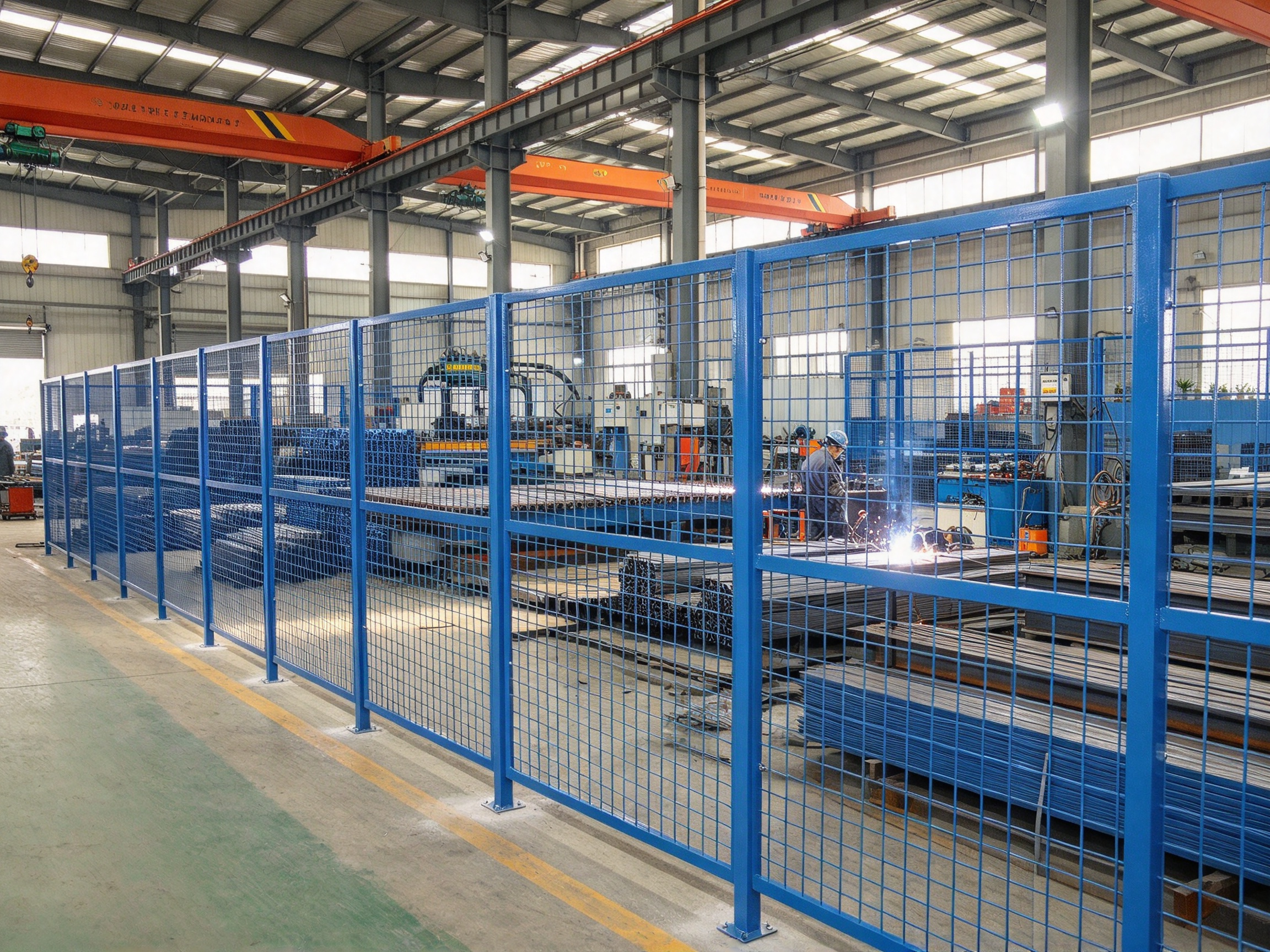
Welded wire mesh panels are the most budget-friendly option for general zoning and pedestrian separation. Perforated metal panels cost more, chosen for dust, spark or light control. Aluminum modular panels carry a higher upfront price but cut long-term rust maintenance for washdown or coastal warehouses. Clear acrylic panels are premium, used when full visibility is required around inspection stations.
Fence height and safety standard requirements
Standard 1200mm and 1400mm heights are widely used for pedestrian aisle separation and come at lower unit cost. 1800mm, 2000mm and taller heights are required for robot cell guarding to meet ISO safety reach standards. Taller panels need thicker posts, extra bracing and larger base plates, which push the price upward.
Gate types and safety add-ons
Basic swing gates are low-cost for staff access. Sliding gates are preferred for forklift entry and cost more because of heavy-duty tracks and rollers. Safety interlock switches, emergency release latches and lockable access hardware are common upgrades for automated machine zones, and they add noticeable cost per gate.
Installation, labor and site preparation
If your concrete floor is uneven, cracked or requires core drilling for anchor bolts, installation labor will take longer. Clean, flat concrete slabs with easy access deliver the lowest installation cost. Many buyers forget to separate material-only pricing and full turnkey pricing, which is one of the biggest causes of budget surprises.
Typical Price Range Reference for Modular Warehouse Guarding Fence Material-only factory price
Basic powder-coated steel mesh modular guarding, sold in larger bulk orders, sits at the lower end of the range. This price covers posts, mesh panels and standard bolts, excluding gates, shipping and installation. Heavy-duty perforated or aluminum modular panels fall into the mid to high bracket for the same length.
Turnkey installed price
Turnkey packages include material, delivery, on-site assembly, anchoring and basic safety check. This is the number most warehouse managers should use for budgeting, not just the raw panel price. Complex layouts with many corners, multiple gates and interlock wiring will land on the higher side of the turnkey range.
Small order vs bulk project pricing
Small cage projects or short trial runs have a higher per-meter cost, because setup, cutting and shipping overhead do not scale down. Large rollouts for new distribution centers usually qualify for volume discounts, which can reduce unit cost noticeably.
Common Hidden Costs to Watch in Your Quote Shipping and freight charges
Modular fence panels are bulky. Long-distance freight, LTL delivery and liftgate fees can add a meaningful percentage to your total budget. Local sourcing or consolidated shipments help reduce this expense.
Extra accessories and spare parts
Base plates, expansion anchors, couplers, warning labels and replacement latches are sometimes listed as separate line items. Some suppliers quote only the panel and post, leaving these small but necessary components out of the initial price.
Safety compliance upgrades
If your site needs third-party safety verification, risk assessment drawings or documentation for OSHA or CE audits, these engineering services are usually billed separately. It is wise to ask whether layout drawings and safety documentation are included in your quotation.
How to Lower Your Modular Guarding Fence Budget Wisely Match panel strength to the hazard level
You do not need expensive perforated or aluminum panels for simple pedestrian lane separation. Save heavy-duty panels and high-spec hardware only for robot cells, high-value stock cages and high-risk zones. Mixing mesh panels in low-risk areas keeps total cost controlled.
Standardize sizes as much as possible
Custom non-standard heights and custom cut panels increase production lead time and cost. Working with standard modular sizes from BDINDUSTRIAL’s catalog helps you stay within budget and speeds up delivery.
Plan your layout before ordering
Frequent layout changes after delivery mean extra panels, new brackets and rework labor. A finished layout drawing with gate positions, corner posts and clear zone boundaries helps you order exactly what you need and avoid waste.
Total Cost of Ownership: Beyond the Initial Invoice Maintenance spending over years
Steel mesh guarding with good powder coating lasts well indoors, but coastal or washdown facilities will spend money on rust repair and repainting over time. Aluminum modular guarding has a higher upfront price but almost no rust maintenance, which lowers the long-term total cost.
Reusability value of modular design
Unlike fixed welded fencing, modular panels can be disassembled, moved and reused when your warehouse changes racking, adds new robots or adjusts picking zones. This reuse benefit is hard to see on the first quote but delivers real savings for growing 3PL and e-commerce warehouses.
If you want a clear, itemized quotation for modular warehouse guarding fence for your robot cells, pedestrian walkways or secure storage cages, contact BDINDUSTRIAL. Send over your warehouse layout sketch, required heights and gate quantities, and our team will prepare a transparent quote with material, shipping and installation breakdowns.
FAQ
Is modular warehouse guarding fence cheaper than fixed welded safety fencing?
For a one-time permanent layout, basic welded fencing may have a slightly lower upfront cost. But modular fencing can be taken apart and reused, so it usually works out cheaper for warehouses that reconfigure zones every 1–3 years. It also cuts demolition and rebuild costs when workflows change.
Does the price of modular guarding fence include installation?
Not always. Many suppliers quote material-only pricing. Always check whether your quote covers labor, anchoring hardware, delivery and gate installation. BDINDUSTRIAL can separate material pricing and full turnkey installation pricing for easy comparison.
Are safety interlock gates for robot cells much more expensive?
Yes. Interlock switches, wiring and emergency stop integration add extra parts and labor. This upgrade is required for many automated safety cells, so it should be budgeted early instead of added as a last-minute change.
Will buying more meters of modular guarding fence reduce the unit cost?
In most cases, yes. Bulk orders reduce production setup and shipping overhead. Larger projects often qualify for volume discounts, which is why building a full zone at once is usually cheaper than adding small sections later.
What is the biggest mistake buyers make when budgeting for modular warehouse guarding?
Most buyers only compare per-meter panel prices and ignore gates, freight, installation and compliance documentation. A low panel price can turn into an expensive project if many separate add-on fees appear later.